
Emotional Resilience and Wellbeing Practices Rise as Core Life Priorities
In 2026, emotional resilience has emerged as a cornerstone of personal growth and wellbeing, recognized as essential for navigating life’s uncertainties with stability and clarity. Rather than merely surviving stress, people are learning to recover, adapt, and grow through challenges. Emotional regulation is increasingly understood as a trainable skill that enhances overall life satisfaction, interpersonal relationships, and decision‑making capacity.
One of the key elements driving this shift is the rise of emotional intelligence education. Schools, workplaces, and communities are implementing programs that teach individuals how to recognize, understand, and manage their emotions. Emotional literacy, which involves naming feelings and understanding emotional triggers, allows individuals to respond thoughtfully rather than react impulsively. This introspective awareness contributes to better conflict resolution, greater empathy, and deeper personal insight.
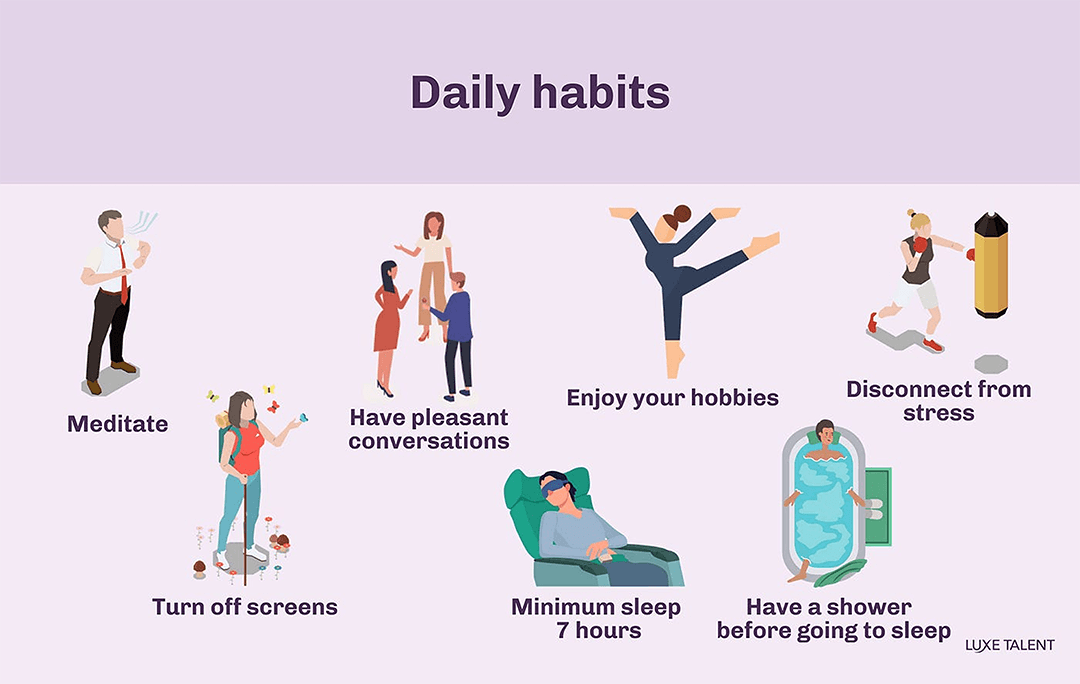
Routine practices that support resilience are gaining mainstream acceptance. These include mindful breathing, reflective journaling, gratitude exercises, and intentional recovery breaks. These habits help regulate the nervous system, reduce stress hormones, and foster a calm, centered mindset. Many individuals now schedule short mindful pauses throughout their day to reset their cognitive state and avoid emotional overload.
Sleep quality is also strongly tied to emotional wellbeing. People are prioritizing consistent bedtime routines, reduced screen exposure before sleep, and relaxation practices like gentle stretching or breathing techniques. Better sleep supports memory consolidation, stress reduction, and balanced mood regulation. As a result, sleep hygiene is now considered as vital as physical exercise or nutritional balance.
Social support networks continue to be a major contributor to emotional resilience. Strong, supportive relationships provide comfort, perspective, and encouragement during periods of difficulty. People are choosing to invest time in deeper connections with friends, family, and community groups rather than relying solely on superficial digital interactions.
Work environments are adapting to support emotional health as well. More companies are offering mental health resources, wellness breaks, and flexible schedules to reduce burnout and improve productivity. Employers recognize that healthy, emotionally stable employees are more engaged, creative, and effective.
Resilience also involves reframing failures as opportunities for growth. A growth mindset — the belief that abilities can be developed through dedication and effort — encourages individuals to view setbacks as learning experiences rather than personal failures. This mindset reduces fear of failure and supports continuous improvement.
Boundary setting is another vital aspect of resilience. Learning to say no to excessive demands and protect personal time helps preserve energy and emotional balance. Clear boundaries between work and personal life prevent overwhelm and promote self respect.
Over time, consistent resilience practices create stronger emotional foundations. Individuals become more adaptive, confident, and focused, equipped to handle life’s complexities without losing motivation or direction. Emotional resilience in 2026 is no longer optional; it is an essential life skill that supports mental health, personal growth, and long‑term fulfillment.